Pulborough Circular walk
Long but easy walk which explores the water meadows of the River Arun, with the South Downs as a dramatic backdrop.
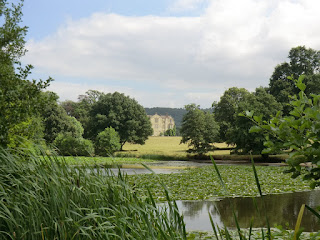
CIMG8396
Parham House across the lake
Aug-13 • Sean O'Neill
banner, swcwalk14, swcwalks 5910626254267003666 P
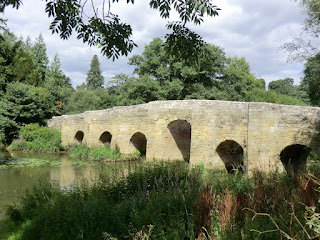

CIMG8389
Amberley Wild Brooks in summer
Aug-13 • Sean O'Neill
swcwalk14, swcwalks, walkicon 5910626129958002018 P
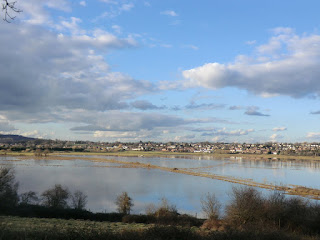
CIMG9984
Winter view from the Hanger viewpoint, Pulborough Brooks
Mar-14 • Sean O'Neill
swcwalk14, swcwalks, walkicon 5986331483182871522 P
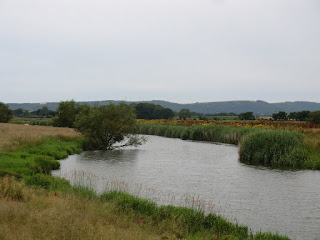
CIMG8990
River Arun at Pulborough Brooks
Jul-15 • Sean O'Neill
swcwalk14, swcwalks, walkicon 6172970639441979762 P
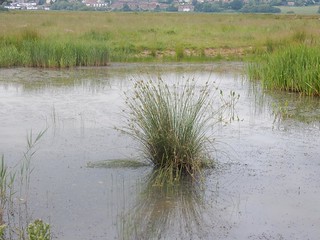
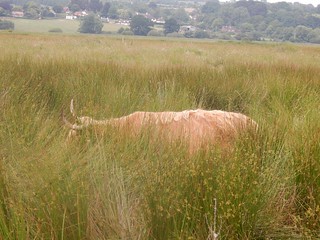
Cow, Pulborough Brooks,
Pulborough Brooks, Pulborough Circular
swcwalks swcwalk14 walkicon pulboroughbrooks 42658603982
| Length |
Main Walk: 21 km (13.0 miles). Four hours 50 minutes walking time. For the whole excursion including trains, sights and meals, allow at least 10 hours. Alternative Walk, finishing at Amberley: 18¼ km (11.3 miles). Four hours 10 minutes walking time. Short Walk, starting from Amberley: 16 km (9.9 miles). Three hours 40 minutes walking time. |
|---|---|
| OS Map |
Explorer OL10 (previously 121). Pulborough, map reference TQ043186, is in West Sussex, 18 km SW of Horsham. |
| Toughness |
4 out of 10 (3 for the Alternative and Short Walks). |
| Features |
This walk climbs gently at first to give a panoramic view of the South Downs from the low hills above Pulborough, where it joins the Wey-South Path. This goes past two medieval bridges on the canalised River Arun, part of an important transport link between London and the South Coast in the early 19thC, and continues across the extensive water meadows of Amberley Wildbrooks to the picturesque village of Amberley. After lunch the walk heads eastwards through the landscaped grounds of Parham Park, with its large herd of dark-coated fallow deer and views of Parham House. The many “Private – No Access” notices do not encourage walkers to detour off the public footpath to visit this fine Elizabethan manor house and gardens, but for the record it is open Wed–Fri, Sun & BH from Easter to mid-October; admission is £14 (2022). In the next section you might see gliders taking off and landing at close quarters as you go along the edge of Parham Airfield. You then have the opportunity to spend some time bird-watching in the RSPB Pulborough Brooks Nature Reserve at Wiggonholt, which has a tearoom in its Visitor Centre, before a final stretch across the water meadows and alongside the River Arun back to Pulborough. If the River Arun overflows its banks the stretches of this walk through the surrounding water meadows will be problematic, to say the least. In any case they are deliberately flooded in winter and the Wey-South Path through Amberley Wildbrooks can be boggy at almost any time of the year. |
| Walk Options |
In the afternoon you can save 3½ km by heading directly to Pulborough Brooks along a quiet country lane, although this short cut omits the interesting features of Parham Park and Parham Airfield. The ending of the Arundel to Amberley walk (1–32) is from Amberley village to its station, and the directions for this link route have been included here (in both directions) to allow for Short Walks starting or finishing at that station. In addition, a route via South Stoke has been taken from other Amberley & Arundel walks to provide a full-length Alternative Walk, looping back to Amberley station. Parts of this walk could be combined with other SWC walks to provide some additional options (for which you would need to bring the relevant directions). On the Alternative Walk you could continue along the river valley to Arundel, using the directions in the Arundel Circular walk (#100). On the other options you could switch at Cootham to either the Billingshurst to Amberley walk (#8) or the Amberley Circular walk (#11), which take different routes up the South Downs escarpment on their way to Amberley station. |
| Transport |
There is a half-hourly service from Victoria to Pulborough (hourly on Sundays), taking 1 hour 15 minutes. Amberley is the next station down the line but not all trains stop there; its service is always hourly. If you want to take a bus to Pulborough station, Compass 100 runs hourly along the A283 via Cootham and the entrance to the Pulborough Brooks Nature Reserve, up to around 5.40pm (Mon–Sat). If driving, the station car park at Pulborough costs £6.40 Mon–Fri, £6.30 Sat, £2.40 Sun & BH (2022). |
| Suggested Train |
Take the train nearest to 09:40 from Victoria to Pulborough. |
| Train Times |
|
| Timetables |
|
| River Levels |
|
| Lunch |
There are two attractive pubs in Amberley, after 8½–9 km. In the village the Black Horse (01798-831183; food to 2pm Wed–Sat, 6pm Sun; closed Mon & Tue) reopened at the end of 2018 after being closed for six years. Its fully-refurbished restaurant is fairly expensive but it incorporates a seasonal Garden Room Café serving light lunches and afternoon tea. The village tea room does not do lunches but an alternative on the Main Walk is to carry on for another ten minutes to the Sportsman (01798-831787; food to 2pm Wed–Sat, 3pm Sun; closed Mon), a pub with fine views over the water meadows from its terrace. Both of these places are possible early lunch stops on the Short Walk but the Crown Inn (01903-742625; food to 3pm Tue–Sat, 4pm Sun; closed Mon) in Cootham is more suitably placed, after about 9 km. If you start late from Pulborough and are doing one of the shorter variations you could stop for a very early lunch at the White Hart (01798-874903), next to Stopham Bridge. |
| Tea |
The café at the RSPB Visitor Centre (01798-875851; open to 4pm) at Pulborough Brooks is conveniently situated for a mid-afternoon break and (like the Sportsman) its terrace has fine views over the water meadows. If you get to Pulborough in time the Little Bean Café (01798-874777; open to 4pm Tue–Sat, closed Sun & Mon) is on Lower Street at the point where the route enters the village, about 1½ km from the station. Stronger fare is available at the Oddfellows Arms (01798-874888), a short detour off to the right. Ten minutes before the station the route passes the Chequers Hotel (01798-872486) on the A29, which seems keener to attract passing walkers than in the past. There are only some fast food shops near the station itself, although the taxi office has been known to sell hot drinks and snacks. If you are doing the Alternative Walk as an afternoon walk the Garden Room Café (see Lunch above) and the Amberley Village Tea Room (01798-839196; open to 5.10pm but closed Wed) are both good tea stops. Closer to Amberley station, refreshments are available on the terrace gardens at Riverside South Downs (01798-831066; Apr–Sep open daily to 5pm; Oct–Mar to 4pm Tue–Fri, 5pm Sat–Sun, closed Mon) and an attractive country pub with a beer garden, the Bridge Inn (01798-831619; closed Sun evening, Mon & Tue). |
| Profile | |
|---|---|
| Help Us! |
After the walk, please leave a comment, it really helps. Thanks! You can also upload photos to the SWC Group on Flickr (upload your photos) and videos to Youtube. This walk's tags are: |
| By Train |
Out (not a train station) Back (not a train station) |
| By Car |
Start RH20 1AH Map Directions |
| Amazon | |
| Help |
National Rail: 03457 48 49 50 • Traveline (bus times): 0871 200 22 33 (12p/min) • TFL (London) : 0343 222 1234 |
| Version |
Mar-23 Sean |
| Copyright | © Saturday Walkers Club. All Rights Reserved. No commercial use. No copying. No derivatives. Free with attribution for one time non-commercial use only. www.walkingclub.org.uk/site/license.shtml |


Walk Directions
Click the heading below to show/hide the walk route for the selected option(s).


 Walk Map
©
Walk Options ( Main | Alt. | Short )
Click on any option to show only the sections making up that route, or the heading above to show all sections.
- Main Walk (21 km)
Walk Directions
Click on any section heading to switch between detailed directions and an outline, or the heading above to switch all sections.
If you are doing the Short Walk (from Amberley station), start at §G.
- Pulborough Station to Stopham Bridge (2¼ km)
- Turn left out of the station and take a footpath on the other side of a chainlink fence up to a road. Turn left to cross the railway and follow the road round to the left, then keep ahead on a footpath across a field. At Park Farm join the Wey-South Path, initially along the edge of a wood and then down to cross the A283 by Stopham Bridge.
- After leaving the station building, do not go down to the main road but instead turn left. Head briefly towards the main car park but almost immediately veer right by a small bicycle shelter to get onto a public footpath on the other side of a chainlink fence, with the car park on your left and a service road to an industrial estate on your right.
- In 300m this footpath comes out onto a minor road and you turn left, crossing over the railway. Follow the lane as it curves round to the left. Where it bends to the right after 300m, bear left onto a public footpath which climbs gently through a field, heading W. There are soon fine views of the South Downs and Pulborough Brooks on your left.
- In 350m the path passes a WW Ⅱ pillbox and heads into some trees, where it turns left and then right to meet the driveway to Park Farm. Cross over the drive and head uphill on a broad grassy path with wooden railings on the right. You are now on the Wey-South Path?, which you will follow all the way to Amberley.
- At the top turn left at the bridleway sign just inside the wood, with Park Mound? up on your right. Follow this attractive path gently downhill near the woodland edge for just under 1 km, eventually dropping down to meet the A283. Cross this main road carefully and continue on a lane past the White Hart pub, with a fine view of the medieval Stopham Bridge? over the River Arun on your right.
- Stopham Bridge to Greatham Bridge (2¾ km)
- Go past the White Hart pub on a lane which curves round to the left. Just before it joins the A283, bear right onto a footpath which goes across fields and footbridges to a pumping station. Follow the path as it turns past buildings, crosses the railway and comes to the A29. Cross over and take a footpath just off to the right which leads into and through a narrow strip of woodland and eventually reaches a minor road. Turn left to reach Greatham Bridge.
- Follow the lane as it climbs gently uphill and curves left to go parallel to the A283. Where it swings left to join the main road opposite a garden centre, go through a metal kissing gate onto a public footpath heading SE.
- Follow the path past a bend of the River Arun, through some undergrowth and then across the river on a substantial footbridge. On the other side, bear left to head SE across a potentially muddy field, leaving it via a kissing gate. Go up some steps, across the River Rother on a bridge and past a pumping station.
- The right of way now zig-zags through this light industrial area. Start by turning right after 150m onto a concrete track towards some industrial units. Turn left in front of the buildings onto a path with a hedge on your right. Go through a metal fieldgate and turn right onto the trackbed of an old branch line (which ran to to Midhurst and Petersfield).
- In 150m turn left through a gate in the wire fence and go across a small field towards a bridge. Go over the main railway line and down to the A29. Cross this busy road with great care and turn right briefly along the pavement, then in 25m go over a stile on the left. Keep right across a small field and go through a wooden kissing gate on the far side.
- Go down a slope and continue on a slightly awkward path through a long narrow strip of woodland, the course of an abandoned stretch of canal. In just under 1 km it comes out onto a lane where you turn left. Follow the lane up to and across the other medieval bridge on this walk, Greatham Bridge?.
- Greatham Bridge to Amberley (village) (3½ km)
- On the other side of the bridge, cross a stile on the right to go onto a riverside path. This soon leaves the riverbank and climbs to reach a farm track. Follow the footpath signs around farm buildings and eventually down into Amberley Wild Brooks. Head south through these water meadows for 2 km, initially on a grassy path and later farm tracks. Turn left when you reach Amberley village.
- After crossing the River Arun, go over a stile on the right and up to a path heading S along the riverbank. In 200m the path leaves the river and reaches a farm track, where you turn right. In 125m bear right at the top of the rise. In a further 200m follow the track round to the left by the entrance to Quell Farm House.
- In 150m the track swerves right and left past the last of some farm buildings, then comes to the corner of a small wood. Turn right as indicated onto a path going gently downhill beside the wood, then past Hayles Barn. At the bottom of the slope turn left along a broad grassy track. Finally, go through a metal fieldgate into Amberley Wildbrooks? and turn right as indicated.
- You will be heading S through these water meadows for the next 2 km. Initially the path is quite faint and overgrown in places, with plank bridges and boardwalks over some boggy stretches. Later it widens into a broad grassy path between ditches. After joining a potentially waterlogged chalky farm track it swings right, then curves back to the left to head S again.
-
Eventually you go through a side gate and climb a short slope into the picturesque village of Amberley. Pass between thatched cottages and turn left at the top onto Hog Lane. In 125m you reach the renovated Black Horse pub at the junction with East Street (ahead) and the High Street on the right.
This is the suggested lunch place on the Alternative Walk; the other pub is 800m away on the continuation of the Main Walk, along East Street.
- Amberley to the South Downs Bridge • Amberley Station (2¾ • 3¾ km)
-
Go through the centre of the village on Church Street and continue on a footpath over the railway line and across the water meadows to the River Arun. Turn left and follow the riverside path for 1 km to the footbridge carrying the South Downs Way (SDW) across the river.
- To complete the shortened Alternative Walk, cross the river and turn left to continue along the right-hand bank. Turn left onto the B2139 and recross the river on Houghton Bridge, passing the Riverside Café and the Bridge Inn by the junction with Stoke Road. Go under the railway bridge and turn right up the station's approach road.
- For the Alternative Walk go down the High Street, passing the Village Stores. With the Amberley Village Tea Room ahead on your left, turn right into Church Street to head W through the village. Towards the far end you pass St Michael's church? and continue down a short slope onto a path going below the walls of Amberley Castle? to the railway line.
- Cross the tracks carefully and continue on a grassy path between hedges. In 250m you go over a stile into the water meadows and turn half-left as indicated. You cross several more stiles and ditches as you make your way across these meadows (you may have to detour around some boggy areas).
- Eventually you climb onto a low embankment and turn left along it, with the River Arun just off to your right. Continue along the raised path for just over 1 km to the substantial footbridge carrying the South Downs Way? (SDW).
-
Finishing at Amberley Station (+1 km)
- For the suggested route cross the river and turn left to continue in the same direction on the right-hand bank. You can see one of the tea places on the opposite bank shortly before reaching the road bridge, where you turn left onto the B2139.
- Take great care as you go across Houghton Bridge? on this busy road, using the refuges to dodge the traffic. Two tea places here are the terrace garden of Riverside South Downs, ahead on your left; and the Bridge Inn on the right-hand side of the road, entered via its car park in Stoke Road.
- To complete the walk, return to the B2139 from either of the tea places and head E, away from the river. Go under the railway bridge and turn right up the approach road for the Amberley Museum and Heritage Centre?, with the station on the right. Cross the footbridge to Platform 1 for trains to London.
- The South Downs Bridge to South Stoke Farm (4 km)
- Cross the river and turn right to follow the SDW as far as Houghton Lane. Turn left and go along the lane to Houghton village. Cross the B2139 and go down South Lane, joining the Monarch's Way (MW). Continue on a bridleway alongside the River Arun, leaving the MW at the entrance to Arundel Park and continuing for a further 1½ km to South Stoke Farm.
- For the full walk, cross the river and turn right to go back along the other side, leaving the Walk 1–32 route and briefly joining the SDW. In 150m, where the river turns right, veer left off the embankment at a three-way footpath signpost.
- Go through a wooden gate onto a slightly raised grassy path alongside a ditch. In 200m zig-zag right and left as indicated and go through another gate. Follow the path gently uphill alongside a wire fence. At the end turn left onto Houghton Lane, leaving the SDW.
- After passing some farm outbuildings in a dip the lane climbs past an attractive thatched cottage and comes to a T-junction with the B2139 in the small village of Houghton. Cross the B2139 carefully (slightly to the right) and go down South Lane, passing more attractive old cottages and joining the Monarch's Way? (MW).
- At the bottom of the lane continue on a track curving gently round to the right. Go through a side gate onto a signposted bridleway along the right-hand side of a small open area. Keep ahead where a footpath joins from the left to continue along the bridleway, with the River Arun just off to the left.
- The bridleway goes between the river and a wooded cliff containing some old chalk quarries, starting with a potentially boggy stretch if the river has overflowed. In 750m the path curves round to the left and continues along a narrow strip between the river and a solid flint wall, the boundary of the Arundel Park estate.
-
In a further 500m the path turns away from the river and comes to a high metal kissing gate in the wall. Ignore the gate into Arundel Park and continue along the bridleway, leaving the MW.
The walk now follows another part of the Walk 1–32 route, to the farm bridge at South Stoke.
- Follow the undulating woodland path for 600m, never far from the river on your left. The path later widens into a track and after a short climb you go through a side gate to the left of a wooden fieldgate into the corner of a large farm field.
- Follow the left-hand field edge down to the bottom corner and round to the right. As indicated by a bridleway signpost, turn left through a wooden fieldgate onto a farm track. Continue in this direction for 450m, at first with a line of trees on your left and then farm outbuildings.
- The track comes out in front of South Stoke Farm. Turn sharp right as indicated to go along a broad grassy strip between flint walls, passing the unusual Chapel Barn? on your left.
- South Stoke Farm to Amberley Station (3 km)
- Go through the hamlet of South Stoke and cross the river on the farm bridge. Turn left onto a footpath heading west, briefly alongside the river and then along an old meander. Go over the Gurkha Bridge and follow the path across a field to North Stoke. Head north on Stoke Road towards Houghton Bridge, with the suggested route being a footpath on the left to reach it via another meander and the riverside embankment. Turn right onto the B2139, …
- At the end of the grassy strip turn left onto a lane and follow it past the farm entrance and round to the left, passing some cottages on the right. At the next bend the entrance to St Leonard's church? (which is worth a quick visit) is half-hidden in the trees on your right.
- Beyond the church the lane becomes an unsurfaced farm track. At the bottom of the slope go past a stile on the right and cross the River Arun on the farm bridge.
- On the other side turn left through a wooden kissing gate onto the riverside path, leaving the Walk 1–32 route and heading W. In 150m the path veers away from the river and you go through another kissing gate into a narrow strip of woodland, an old meander of the river.
- In 400m the path turns left to cross a patch of boggy ground on the Gurkha Bridge?. Go through another gate into a field and follow a grassy path heading N up the low hill ahead. At the top go through a kissing gate and along a short enclosed path to a lane.
- Turn left to come to a road junction by an old red telephone box (the ‘North Stoke Information Point’). If you are not making the detour below to see an unusual old church, turn right at this junction onto the lane heading N.
-
Detour to North Stoke Church (+500m)
- Keep ahead on the lane through the hamlet, signposted to St Mary's Church. The church of St Mary the Virgin? is at the far end, to the left of North Stoke Farmhouse.
- Return the same way and turn left at the junction by the telephone box.
-
Follow the lane (Stoke Road) downhill and round to the right. In 300m, just after an isolated house on the right, there is a signposted footpath into a narrow strip of woodland on the left.
- For a direct route you could simply go all the way along Stoke Road to the tea places at Houghton Bridge. If you take this short cut (saving 300m), complete the directions at [?].
- For the suggested route, turn left onto this footpath, a tree-lined path along the course of another old meander. In 500m it comes out onto the riverbank, where you turn right to go along the embankment for 600m, with water meadows on your right. At the end the path crosses a side channel on a footbridge. Go up to the road bridge and turn right onto the B2139.
- …
- …
- Amberley Station to Amberley (village) (3½ km)
- Go down to the B2139 and turn left under the railway bridge, then immediately right onto a footpath leading to the River Arun. Follow the riverside path for 1½ km, then turn right and head east across the water meadows. Cross the railway and go through Amberley village to East Street.
- Leave the station at the London end of the platform. Go down its approach road and turn left onto the B2139. After passing under the railway bridge turn right onto a signposted footpath, a gravel track which leads to a grassy path past a cluster of park homes.
- At the end climb onto a low embankment to continue alongside the River Arun, initially heading NW. You now follow this riverside path for 1½ km, keeping the river on your left and passing the substantial footbridge carrying the South Downs Way.
- Opposite Bury church on the other side of the river, turn right at a footpath waymarker post to head E across the water meadows (you might have to detour around some boggy areas). The path crosses several stiles and ditches, turning half-left after the second stile. A third stile takes you onto a grassy path between hedges which leads to the railway line.
- Cross the tracks carefully and follow the path below the walls of Amberley Castle?, then onto a lane going up a short slope past St Michael's church?. Go all the way through the picturesque village of Amberley on Church Street. At the far end, with the Amberley Village Tea Room ahead on your right, turn left uphill. Go past the Black Horse pub and turn right into East Street.
- Amberley to West Lodges (2¾ km)
- Leave the village on East Street, in 800m passing the Sportsman pub. After the last house turn left onto a footpath which goes down through fields and past the derelict Rackham Mill to reach a wood. Turn right and go along its southern edge to Rackham Street. Turn left and go along the lane to the entrance to Parham Park.
- Head E out of the village along East Street. In 800m you come to the Sportsman pub on your left, another possible lunch stop. In a further 500m, after the last of the houses and just before a ‘national speed limit’ sign, turn left off the road onto a public footpath. This goes half-right downhill across a large field, heading NE.
- At the field boundary go through a hedge and across a ditch on a plank bridge. Keep ahead across a smaller field and go over a stile in the corner onto a path through a copse. This comes out in front of the derelict Rackham Mill, with a house up on the right. After veering left between these buildings the path heads N towards a wood, with views across the water meadows on your left.
-
In 250m the path crosses a brook on a footbridge. On the other side turn right at a three-armed footpath sign to go along a path just inside the wood. In 150m you pass an isolated house on the right and come to a waymarked footpath junction.
The main route goes via an interesting Victorian building, but if you wish you can take a slightly more direct route through the wood in [?].
-
Main route
- Carry on along the main path, which comes out into a small open area with sandstone rocks off to the left and Rackham Old School? on the right. Turn left onto the lane ahead (Rackham Street), gently uphill. Keep right at a road junction, signposted to Wiggonholt.
-
Woodland route
- Turn left at the footpath junction to go up through the wood. The path curves right and climbs gently for 250m, heading roughly NE. On the far side of the wood bear right onto a lane and then immediately fork left at a road junction, signposted to Wiggonholt.
- Go along the lane for 150m past the junction to come to a pair of lodges on the right, with an information panel about Parham Park.
- Through Parham Park (2 km)
- Go through the gate on the right to enter the park and follow the driveway past a lake to a T-junction. Keep ahead on a grassy path, which later merges with the main driveway to Parham House. Follow this out to the A283.
- Turn right through a side gate into Parham Park and go along its tree-lined driveway, heading E. In 500m there is a lake on the right (with a distant view of Parham House? beyond), then a high stone garden wall.
- The drive comes to a T-junction, with private roads off to both sides. Keep ahead (slightly to the right) on a grassy path, the continuation of the footpath. In 250m the path curves left to merge with the main driveway to the house, which is now behind you on your right.
- Leave Parham Park at Douglas's Lodge and continue along the drive, passing a ‘Heritage Trail 2000’ information panel about the house and its owners. Follow the drive out to the A283.
- Parham Park to Hurston Lane (2 km)
- Head east along the A283. Either carry on to Cootham to visit the Crown Inn and then take a footpath around the eastern side of Parham Airfield, or take the first footpath on the left to go along its western edge. After the two paths meet continue along a grassy path which curves round to the left, then veers right through a small wood to Hurston Lane.
-
Route via Cootham
- Head E along the A283. In 350m cross the main road carefully to the Crown Inn on the outskirts of Cootham.
- After visiting the pub, briefly retrace your steps along the A283 but almost immediately turn right into Dukes Row, signposted as a footpath. Go up to a row of houses and turn left, parallel to the main road and heading W. At the end of the houses follow the lane round to the right into Cootham Mobile Home Park.
- At the end of these well-kept homes, bear left to take a potentially muddy footpath leading into a strip of woodland. Ignore unoffical paths on the left going up to the airfield and stay on the main path, which soon veers right and comes to a three-way footpath signpost.
-
Turn left at this path junction and follow the woodland path for 150m, partly along a boardwalk over the muddy ground beside a brook. After the path emerges from the trees carry on around the edge of Parham Airfield.
Be careful not to stray from the signposted public footpath, especially if gliders are taking off and landing.
- In 350m keep ahead at a three-way footpath signpost, where the other route joins from the left.
-
Route across Airfield
- Head E briefly along the A283. In 50m cross the main road carefully and go up the signposted footpath. Follow this enclosed path for about 200m, going over a stile and round to the left.
-
At the end turn right onto the grass, heading NE and aiming for the right-hand edge of a field of crops up ahead. Carry on in this direction for 800m, along the edge of Parham Airfield.
…
- At the far end turn left at a three-way footpath signpost, where the other route joins from the right.
- Follow this narrow fenced path around the perimeter of a large field for 600m, with a few sharp turns along the way. Eventually the path veers right up a slope into a lightly wooded area, where you ignore a footpath off to the left. Go through a wooden gate and follow a short path out to a minor road (Hurston Lane) at a bend.
- Hurston Lane to Pulborough Brooks (1¾ km)
-
 Turn left onto the lane and then immediately bear right onto a bridleway. Follow this up to a house and all the way round its garden to the other side. Join its driveway and follow it out to the A283. Cross over and bear right onto a bridleway which crosses a lane and goes into woodland. Keep right, staying close to a car park on the right, to come to the RSPB Visitor Centre at Pulborough Brooks.
- Turn left onto the lane and then immediately bear right onto a long driveway, signposted as a public bridleway and heading NW. In 600m ignore a footpath on the right and bear left with the path, with a large garden containing a long narrow pond coming into view on your left. At the end of the garden the path crosses a stream and turns sharply left to go back along its other side.
-
In 125m follow the path round to the right, joining a driveway. This climbs gently and in 400m comes out onto the A283. Cross the main road carefully and take the bridleway opposite (slightly to the right) onto the edge of Wiggonholt Common.
-
The RSPB has bought part of this wooded common and is restoring its original heathland habitat. You could detour onto the new permissive paths through this area and find your own way to the Visitor Centre on the north side of the common.
-
- For the direct route follow the bridleway signposts, initially bearing right to run parallel to the main road. After the bridleway turns left go straight across a minor road into more woodland.
- The path is less clearly defined here but you soon pass a brushwood fence on your right, enclosing a play area. At the end of this veer right towards the RSPB's overflow car park, leaving the bridleway which goes down a gully.
- After continuing along the edge of the wood for a short distance turn right at an RSPB sign for the Visitor Centre into the main car park. The Visitor Centre is ahead on your left, with a side entrance to the tearoom on the left-hand side of the building.
- West Lodges to Pulborough Brooks direct (2¼ km)
-
Continue north on Rackham Street until it comes to a T-junction. Go straight ahead onto a bridleway into Wiggonholt Common and follow it round to the right. At a three-way path junction fork left onto a path which leads up to the RSPB Visitor Centre at Pulborough Brooks.
-
Continue on this quiet road for nearly 1½ km, heading N. Halfway along there is an unusual round house behind the hedge on your right, where the road bends slightly right. Eventually you come to a T-junction where you go straight across Greatham Lane onto a bridleway into Wiggonholt Common.
- …
- For the direct route stay on the bridleway as it curves gently round to the right. In 400m fork left at a three-armed footpath sign to climb a slope.
-
At the top turn left
…
- Through Pulborough Brooks (1 km)
- Turn left off the Visitor Centre's access road onto a footpath leading to Wiggonholt church. Turn left onto a track going down to the RSPB reserve and take the public footpath which runs diagonally across it.
- If you are an RSPB member (or pay the small entrance fee) you can visit the reserve and its bird hides. If you do this, make your own way to Little Hanger hide (where the public footpath through the reserve crosses the perimeter path and leaves it on a wide chalky track) and complete the directions in §N.
- To continue the walk on the right of way, leave the Visitor Centre and briefly take the access road leading out of the main car park. Almost immediately, turn left onto a public footpath signposted to the Church, heading N between hedges. The path dips through a more open area and then climbs back up to the hamlet of Wiggonholt.
- At the top turn left onto a broad grassy strip in front of the tiny Wiggonholt church?. Follow the grassy path past its lychgate and downhill. In 250m keep ahead across the perimeter path around the RSPB reserve, going through a wooden kissing gate into a field.
- Continue alongside a low wire fence to the far side, then turn half-right as indicated to go through another gate and across the next field on a broad grassy path. In the far corner go through another gate and back across the perimeter path onto the signposted footpath opposite, a wide chalky track going down a slope.
- Pulborough Brooks to Pulborough Station (3 km)
-
 Leave the RSPB reserve in its north-western corner on a footpath going across the water meadows to the River Arun and turn right onto its embankment. After crossing a footbridge over a stream, keep ahead towards houses and go up a lane to the A283. Turn left onto the main road, then go up a ramp on the right and cross a field to reach a lane. Turn left to go past the Chequers Hotel, across the A29 and along Church Place. Just before a railway bridge, turn left onto a footpath leading to Pulborough station.
- Follow the chalky track downhill and round to the right at the bottom, going through a kissing gate beside a fieldgate into Pulborough Brooks?. Continue on a broad and slightly elevated grassy path across these water meadows, heading NW. At the far end veer right onto a path climbing a low embankment and turn right to go along it, with the River Arun off to your left.
-
In 750m the path veers left off the embankment and crosses the River Stor on a footbridge. From the top of another embankment take the left-hand of two signposted footpaths across a large meadow, a grassy path heading N towards houses on the outskirts of Pulborough.
- Continue alongside a water channel and then gently uphill to the far side of the meadow. Go through a new wooden gate and up a narrow lane to the A283 (Lower Street), with the Little Bean Café directly opposite.
-
Unless you want to detour to the Oddfellows Arms (100m along the main road to the right) turn left onto the road, heading W.
- You can reach the station directly by continuing in this direction through the town on the A283, but the route given below is more pleasant and not much longer.
- Cross over the main road at some point. 300m from the lane, and just before Allfreys Wharf, bear right up a ramp and through a gate into a field. Follow the tarmac path up the slope and round to the right (with a fine view of the South Downs behind you) to reach a lane.
-
Turn left onto the lane, passing the final refreshment place (the Chequers Hotel) just before the A29. Cross this busy main road with great care and go straight ahead into Church Place, passing St Mary's church? up on the left.
- You could detour through the churchyard but the church itself is usually locked after 4pm.
-
In 250m, just before the lane crosses the railway, turn left onto a tarmac path (the start of the Main Walk) leading to Pulborough station. Make your way around the left-hand side of the station building and go under the tunnel to Platform 1 for trains to London.
- The Wey-South Path runs for 58 km between Guildford and Houghton Bridge. It follows the route of the River Wey, the River Arun and the canal linking them.
- Park Mound on the right of the bridleway is the site of a motte and bailey fortress, built shortly after the Norman Conquest.
- Stopham Bridge was built in 1423, replacing an earlier wooden bridge. The central arch was raised in 1822 to allow barges to pass. The bridge was still being used by traffic until the new A283 road bridge was constructed alongside in 1986.
- Greatham Bridge was built in the early 14thC, although it was reconstructed in the 1790s and the iron spans are a replacement for sections damaged by flooding in 1838. It was the site of a skirmish in the English Civil War when local Royalists tried to defend the river crossing.
- Amberley Wildbrooks Nature Reserve consists of 82 hectares of grazing marshland, dissected with numerous ditches dug in the 19thC to assist drainage. It is owned by the Sussex Wildlife Trust and managed in partnership with the RSPB and other local landowners.
- St Michael, Amberley is Norman, with the nave and chancel arch dating from about 1100. There are medieval wall paintings to the right of the arch. The church was enlarged in 1230 and much altered in a Victorian restoration.
- Amberley Castle was built as a palace for the Bishops of Chichester soon after the Norman invasion. It was owned by a prominent Royalist in the Civil War and partly destroyed by Parliamentary forces. It is now a luxury hotel.
- The South Downs Way runs for 161 km along the length of the South Downs, from Winchester in Hampshire to Eastbourne in East Sussex.
- Although it looks medieval, Houghton Bridge was actually constructed in 1875.
- The Amberley Museum and Heritage Centre is “dedicated to preserving the industrial heritage of the South East”, with over 40 exhibits and a team of craftsmen demonstrating traditional skills.
- The Monarch's Way is supposedly the escape route taken by the future King Charles Ⅱ after his defeat by Parliamentary troops at the Battle of Worcester in 1651. It is the longest inland trail in England, running for 990 km from the battlefield to Shoreham-by-Sea.
- The Gothic-style Chapel Barn at South Stoke Farm dates from 1860. An attached water tower supplied the village before its connection to the mains in 1960.
- St Leonard, South Stoke dates from the 11thC. The unusual spire was added in a 19thC restoration.
- The Gurkha Bridge over the meander at North Stoke was repaired and restored by the Queen's Gurkha Engineers in 2009.
- St Mary the Virgin, North Stoke dates from the 11thC. It is no longer used for regular services, but is maintained by the Churches Conservation Trust. Knowledge of its original dedication to St Mary was lost for centuries and only rediscovered in 2007.
- Rackham Old School closed in 1945. This Victorian building is leased by the Parham Estate to a local community association.
- Parham House is a Grade Ⅱ listed Elizabethan manor house, with a large Walled Garden and 18thC Pleasure Grounds. To the south of the house, St Peter's church dates from the 12thC and has interesting box pews and Gothic revival features.
- Wiggonholt church (which is undedicated) has some original walls dating from around the 12thC.
- Pulborough Brooks Nature Reserve is owned and managed by the Royal Society for the Protection of Birds (RSPB). The 160 hectares of water meadows had become drier after engineering works to the river in the 1960s, but the RSPB have restored the original wetland habitat by controlling the water levels.
- St Mary, Pulborough dates from the 13thC. It has a ‘weeping chancel’ (one not in line with the nave), although this might have been a mistake when the church was extended in the 15thC.
If you are doing the Main Walk, go to §H.
The route from Amberley village is the same as the ending of Walk 1–32.
If you are not doing the loop out via South Stoke, complete the walk with the directions below.
The suggested route to Amberley station follows the Walk 1–32 route: the riverside path on the far bank is nicer but you do have to recross the river on an awkward road bridge. If you prefer you could remain on the left-hand bank; this path leaves the embankment after 400m and goes behind some park homes to reach the B2139.
If you are taking the direct route to Pulborough Brooks (omitting Parham Park), go to §L.
There is a choice of routes. If you are not visiting the Crown Inn in Cootham you could take the more interesting route in [?], alongside the airstrip used by the Southdown Gliding Club.
Continue the directions at §M.
Walk Notes
» Last updated: March 14, 2023
Return to Top | Walk Map | Walk Options | Walk Directions.